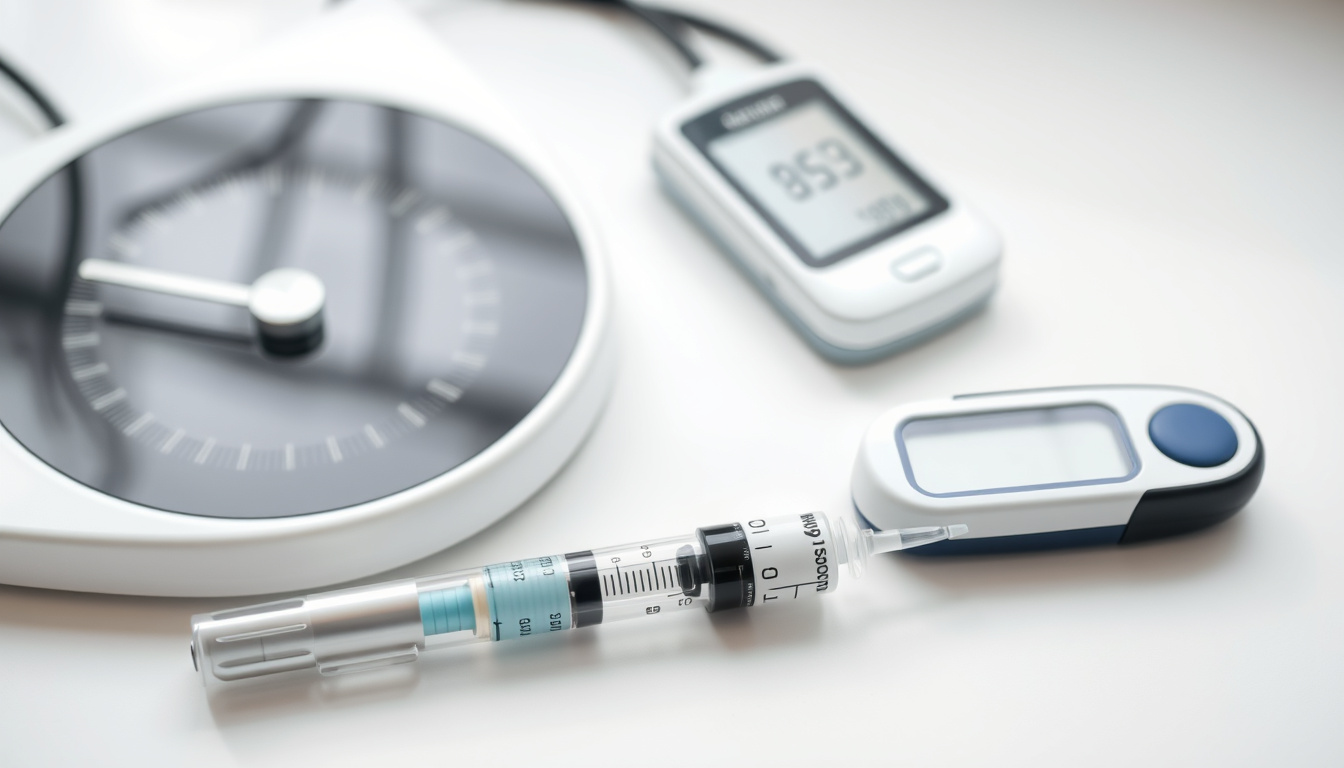
If you’ve heard about Mounjaro (or its weight-loss twin, Zepbound) and wondered how a weekly injection can produce such dramatic results, the answer lies in a clever bit of hormone mimicry. The drug works by activating two gut hormones simultaneously—GLP-1 and GIP—rather than just one, which is what sets it apart from older medications like Ozempic. Below, we break down exactly what happens in your body when you take it.
Active Ingredient: Tirzepatide · Primary Mechanism: GLP-1 and GIP receptor agonist · Key Effects: Increases insulin, reduces liver glucose, slows digestion · Approval For: Type 2 diabetes and weight management · Manufacturer: Eli Lilly
Quick snapshot
- Tirzepatide is a dual GLP-1/GIP receptor agonist (Cleveland Clinic)
- Phase 1/2 trials showed HbA1c reduction up to 2.4% and weight loss up to 11.3 kg in T2DM patients (PMC)
- The drug’s half-life is approximately 5 days, supporting once-weekly dosing (PMC)
- Precise weekly weight-loss expectations vary significantly between individuals
- Whether Mounjaro targets belly fat specifically remains under investigation
- Long-term cardiovascular outcome data beyond 2 years are still being collected
- FDA approved Mounjaro for type 2 diabetes in 2022, with Zepbound for weight management following in 2023 (PubMed)
- Tirzepatide is currently the only FDA-approved dual GIP/GLP-1 receptor agonist on the market (Frontiers in Endocrinology)
- Ongoing studies are examining tirzepatide’s effects on sleep apnea, fatty liver disease, and cardiovascular risk
- Regulatory applications in additional countries are under review
Four key facts about Mounjaro’s mechanism and clinical performance:
| Field | Value |
|---|---|
| Drug Class | GLP-1/GIP receptor agonist |
| Administration | Weekly subcutaneous injection |
| FDA Approval | Type 2 diabetes (2022), weight loss (2023) |
| Key Hormones | GLP-1 and GIP |
| Molecular Structure | 39 amino acids, synthetic peptide based on native GIP |
| Half-life | 5 days |
How does Mounjaro work for weight loss?
Mounjaro promotes weight loss primarily through appetite regulation—telling your brain you’re full sooner and reducing cravings throughout the day. This isn’t willpower override; it’s a direct biological signal the drug sends after each injection. Research from the NIH indicates the primary mechanism involves decreased food intake and reduced food cravings, along with increased lipid metabolism (PMC).
Appetite suppression mechanism
Tirzepatide acts on receptors in the brain that respond to both GLP-1 and GIP hormones, telling your appetite control center to reduce hunger signals (GoodRx). Patients typically report feeling satisfied with smaller portions, which naturally creates a calorie deficit without explicit dietary restriction.
Impact on metabolism
Beyond calorie reduction, tirzepatide appears to shift how your body handles energy storage. GIP activation improves fat metabolism, while GLP-1 effects enhance overall energy balance (Prima Medicine). The combination means your body may burn existing fat stores more efficiently than with single-hormone medications.
Clinical weight loss results
Phase 1/2 clinical trials demonstrated weight reduction up to 11.3 kg in patients with type 2 diabetes (PMC). However, individual results vary considerably based on dose, diet, exercise, and metabolic baseline.
The dual-hormone approach isn’t cosmetic—it mimics a physiological state where both GLP-1 and GIP are elevated simultaneously, something that rarely occurs naturally after meals. This is why tirzepatide produces weight loss that typically exceeds what single GLP-1 agonists like semaglutide achieve.
How does Mounjaro work for diabetes?
For people with type 2 diabetes, Mounjaro addresses the core problem: inadequate insulin response combined with excess glucose production from the liver. The drug works in three complementary ways to improve blood sugar control.
Insulin production enhancement
Tirzepatide enhances insulin secretion in a glucose-dependent manner, meaning it only triggers insulin release when blood sugar is elevated (Eli Lilly). This reduces the risk of dangerous low blood sugar episodes compared to older insulin-stimulating medications. The dual activation of GLP-1 and GIP receptors produces a synergistic effect—research shows the combination generates a higher cAMP response in beta-cells than either hormone alone (Frontiers in Endocrinology).
Liver glucose reduction
The liver in type 2 diabetes typically overproduces glucose, especially overnight and between meals. Tirzepatide reduces glucagon levels, which signals the liver to dial back its glucose output (Eli Lilly). This addresses fasting glucose levels that many diabetes medications struggle to control.
Blood sugar control
Clinical trials showed tirzepatide reduces HbA1c by up to 2.4% in patients with type 2 diabetes (PMC). This reduction is measured over weeks of treatment and represents a meaningful improvement in long-term blood sugar management, not just immediate post-meal spikes.
The glucose-dependent insulin release matters practically: patients don’t need to time injections around meals or worry about hypoglycemia between meals the way they might with sulfonylureas or insulin.
How does Mounjaro work scientifically?
Understanding tirzepatide’s mechanism requires looking at two key gut hormones: GLP-1 (glucagon-like peptide-1) and GIP (glucose-dependent insulinotropic polypeptide). Both are called incretins because they stimulate insulin release after eating.
GLP-1 and GIP receptor activation
Tirzepatide is the only FDA-approved dual GIP/GLP-1 receptor agonist, activating both receptor types simultaneously (Frontiers in Endocrinology). The drug’s potency differs between receptors: GIP receptor activation occurs at an EC50 of 22.4 pM, while GLP-1 receptor activation requires an EC50 of 934 pM—roughly 40 times weaker (Frontiers in Endocrinology). This “imbalanced agonism” may explain why GIP effects appear to dominate the clinical response.
Gut hormone mimicry
Structurally, tirzepatide is a synthetic peptide with 39 amino acids, based on the native GIP sequence but modified for enhanced stability (PMC). Its GLP-1 affinity is about 5 times lower than native GLP-1, yet sufficient for clinical effect (PMC). The modification extends its half-life to 5 days, enabling once-weekly dosing instead of multiple daily injections (PMC).
Multi-target action
Unlike semaglutide (Ozempic/Wegovy), which activates only GLP-1 receptors, tirzepatide engages both incretin pathways. This dual activation produces effects on insulin secretion, glucagon suppression, gastric emptying, and appetite regulation simultaneously (Celtarys). The synergy between pathways appears to produce superior outcomes compared to single-receptor activation.
Semaglutide activates GLP-1 receptors exclusively. Tirzepatide activates both GLP-1 and GIP receptors. This isn’t a minor difference—it’s the fundamental pharmacological distinction that explains tirzepatide’s enhanced efficacy in head-to-head comparisons.
How does Mounjaro work side effects?
Understanding potential side effects helps patients make informed decisions and recognize when to seek medical attention.
Common side effects
The most frequently reported adverse effects are gastrointestinal in nature: nausea, diarrhea, decreased appetite, and vomiting are typical during dose escalation. These symptoms are comparable to those seen with dulaglutide, another GLP-1 receptor agonist (PMC). Most patients experience these effects during the first few weeks as their body adjusts, and symptoms typically diminish over time.
Serious risks
Though less common, serious adverse events have been reported, including pancreatitis, gallbladder disease, and in rare cases, thyroid C-cell tumors in rodent studies. Patients with a personal or family history of medullary thyroid carcinoma should not use Mounjaro. Hypoglycemia can occur when combined with insulin secretagogues or insulin itself.
Management tips
Starting at the lowest dose and titrating gradually—as the official dosing schedule recommends—reduces gastrointestinal side effects. Eating smaller, more frequent meals, staying hydrated, and avoiding high-fat foods during the adjustment period can help manage symptoms. Patients should report persistent vomiting, severe abdominal pain, or signs of dehydration to their healthcare provider.
How does Mounjaro work dosage?
Mounjaro follows a structured escalation protocol designed to minimize side effects while reaching therapeutic doses.
Starting dose
Treatment typically begins at 2.5 mg weekly, which is subtherapeutic but helps the body acclimate to the medication (GoodRx). This starting dose is maintained for four weeks before any increase.
Titration schedule
Doses increase in 2.5 mg increments every four weeks as tolerated, progressing through 5 mg, 7.5 mg, 10 mg, 12.5 mg, and finally 15 mg weekly—the maximum dose (GoodRx). Not everyone reaches the maximum dose; therapeutic benefits often occur at lower doses, and some patients remain on intermediate doses due to side effects or adequate clinical response.
Administration
Mounjaro is administered as a subcutaneous injection, typically in the abdomen, thigh, or upper arm. The injection can be given at any time of day, with or without meals. Rotating injection sites helps prevent lipodystrophy. The medication comes in pre-filled pens, eliminating the need for manual mixing or measuring.
Upsides
- Once-weekly dosing improves adherence compared to daily medications
- Dual-hormone mechanism produces superior HbA1c and weight reduction versus single GLP-1 agonists
- Glucose-dependent insulin release minimizes hypoglycemia risk
- FDA-approved for both diabetes and weight management
- Phase 1/2 trials showed up to 11.3 kg weight loss and 2.4% HbA1c reduction
Downsides
- Gastrointestinal side effects common during titration, particularly nausea
- Injection required weekly—some patients prefer oral medications
- Significant cost without insurance coverage
- Requires refrigeration; travel logistics can be challenging
- Long-term cardiovascular outcome data still accumulating
- Not appropriate for patients with certain thyroid cancer histories
Confirmed vs. Uncertain
The distinction between established science and ongoing research matters for setting realistic expectations:
Confirmed
- Enhances insulin secretion (Eli Lilly)
- Decreases food intake and cravings (PMC)
- Reduces liver glucose production (Eli Lilly)
- Delays gastric emptying, more persistent at higher doses (GoodRx)
Uncertain
- Exact weight loss expectations per individual week
- Whether fat loss preferentially targets visceral/abdominal stores
- Efficacy for sleep apnea beyond weight-mediated effects
- Long-term safety profile beyond 2 years of continuous use
Tirzepatide is the first medication of its kind that activates pathways for two different hormones: GLP-1 and GIP.
— Fay Nutrition (Nutrition Education Resource)
Primary mechanism for weight reduction by tirzepatide is regulation of appetite and decreases in food cravings and food intake.
— PMC/NIH (Scientific Research Database)
The clinical efficacy of tirzepatide is superior to the GLP-1 RA dulaglutide in phase 1/2 clinical trials.
— PMC/NIH (Scientific Research Database)
Related reading: Ozempic face before and after · How to get rid of cellulite
Mounjaro advances type 2 diabetes and weight management via dual GIP/GLP-1 mechanism, mimicking incretin hormones to boost insulin response, curb appetite, and improve glucose control.
Frequently asked questions
Do you lose belly fat with Mounjaro?
Mounjaro produces overall body fat reduction through calorie deficit. Whether it preferentially targets visceral (belly) fat specifically remains under study. The total weight loss achieved during treatment typically includes proportional fat loss from various body regions.
How much weight can I lose in 3 months on Mounjaro?
Weight loss varies significantly by individual, dose reached, diet, and exercise. Clinical trial participants achieved up to 11.3 kg weight reduction over phase 1/2 trials, but realistic expectations at 3 months typically range from 5-10% of body weight for most patients who tolerate therapeutic doses.
How much weight should I lose on Mounjaro in a week?
Weekly weight loss is not linear—initial weeks may show minimal change as the body adjusts, with more pronounced loss occurring after dose escalation. A healthy pace is typically 1-2 pounds (0.5-1 kg) per week once on a stable therapeutic dose.
What not to eat while on Mounjaro?
High-fat meals can worsen gastrointestinal side effects. Focus on protein-rich foods, vegetables, and whole grains. Staying hydrated is essential, especially if nausea occurs. Processed foods and sugary drinks provide empty calories without satiety benefit.
How to speed up weight loss on Mounjaro?
Combining Mounjaro with consistent protein intake (1.2-1.6 g/kg body weight), regular resistance training (preserves muscle while promoting fat loss), and adequate sleep (7-9 hours) optimizes results. The medication reduces appetite, but dietary quality still matters for body composition outcomes.
How does Mounjaro work for sleep apnea?
Obstructive sleep apnea often improves with weight loss, and tirzepatide’s significant weight reduction may help. Zepbound received FDA approval for weight management, which may benefit sleep apnea patients. However, specific sleep apnea mechanism studies are still ongoing.
What’s the worst thing to eat when trying to lose weight?
Ultra-processed foods with high sugar and low fiber content provide rapid glucose spikes without satiety, potentially undermining the appetite-suppression benefits of Mounjaro. Fried foods and high-fat dairy can exacerbate gastrointestinal side effects during dose titration.
For patients considering Mounjaro, the mechanism is clear: a dual-hormone approach that tackles both blood sugar regulation and appetite control through pathways your body already uses. The science behind it is solid, but success requires weekly injections and a titration timeline measured in months—not weeks.

Sophie Kendall is Tools & Digital Culture Correspondent at WordPatch.co.uk, covering writing tools, productivity software, AI writing platforms, digital publishing and online communication trends.